Skip to content


Finding the best items to sell on Whatnot in 2026 is not just about chasing what is popular. It is about choosing items that look exciting on camera, move fast in a live auction, and give you enough profit after selling fees, shipping, and sourcing costs.
I have seen many Whatnot sellers make the same mistake. They ask, “What sells best on Whatnot?” but they do not ask, “What can I sell well on Whatnot?”
That second question matters more.
Whatnot is different from other marketplaces like eBay, Poshmark, and Mercari. Buyers are not only looking at a listing. They are watching you show the item live, explain the value, answer questions, and create urgency.
So, the best-selling items on Whatnot are items that are easy to show, easy to explain, easy to ship, and exciting enough to make buyers bid.
Here are the best Whatnot items to sell in 2026!
Best Items to Sell on Whatnot in 2026
1. Trading Cards

Trading cards remain one of the best items to sell on Whatnot because they fit live selling perfectly.
Cards are small, easy to ship, and exciting to reveal on camera. Buyers also enjoy the community side of card shows. They can talk about players, sets, grades, pulls, and values in real time.
Some strong trading card niches include Pokémon cards, sports cards, Magic: The Gathering, One Piece, Disney Lorcana, and other popular collectible card games.
Prices of trading cards on Whatnot vary wildly, typically selling anywhere from $1 for basic bulk singles to thousands of dollars for high-end, graded slabs (like PSA 10 Pokémon or rare sports autos)
Older, graded slabs (vintage Pokémon, sports cards) usually sell for higher prices. Whatnot bidders generally pay anywhere from $30 to $500+ depending on rarity and hype in the live stream.
However, don’t enter this category blindly. Card buyers are smart. They know prices, conditions, centering, grading, and market demand.
If you sell cards, you need to show the condition clearly. You should also know the difference between raw cards, graded cards, slabs, packs, singles, and breaks.
2. Sports Memorabilia

Sports memorabilia is another best-selling item to sell on Whatnot in 2026, especially because sports fans love live discussion.
Jerseys, signed photos, mini helmets, bobbleheads, ticket stubs, posters, and authenticated collectibles all sell well if you know your niche.
The keyword here is authenticated.
Buyers need trust. If you sell signed items, you should be able to show the certificate, label, or proof clearly during the show. This helps reduce doubt and gives Whatnot buyers more confidence to bid.
Women’s sports memorabilia is also worth selling. Interest in women’s basketball and women’s athletes has grown fast, and that creates demand for cards, jerseys, signed items, and fan gear.
I would not treat sports memorabilia as a random thrift category. I would build around teams, players, leagues, or collector groups so buyers know what to expect from my shows.
Sports memorabilia prices on Whatnot vary wildly. While some items sell at or below market value, hype, “FOMO,” and fast-paced auctions can push prices 10% to 30% higher than online marketplaces like eBay.
3. Sneakers
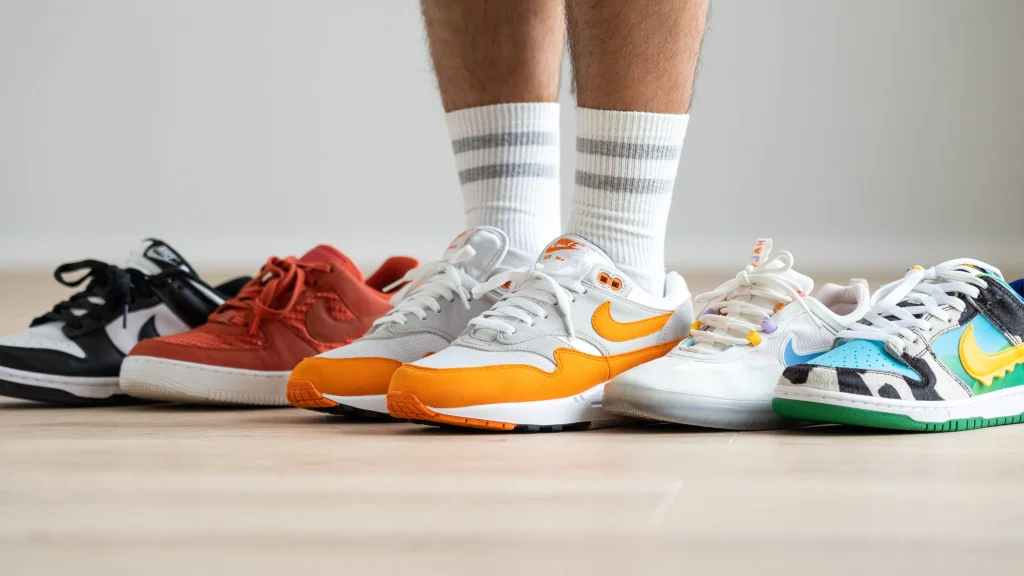
Sneakers are one of the best items to sell on Whatnot if you can source them safely and price them correctly.
Sneaker buyers love live shows because they can ask about size, condition, box, soles, flaws, and authenticity before buying.
If you’re interested in selling sneakers on Whatnot, I would recommend selling used Nike, Jordan, Adidas, New Balance, Yeezy, ASICS, and limited streetwear collaborations.
The biggest challenge is trust. Fake sneakers can ruin your Whatnot account and your reputation. I would only sell sneakers if I had a clear authentication process and could show all important details on camera.
Selling used sneakers on Whatnot is also profitable if they are clean, wearable, and priced right. Not every buyer wants a $500 pair. Many buyers want a clean pair for daily wear at a fair price.
Clean used sneakers commonly sell for around $80 to $120, while limited releases and highly desirable pairs like Travis Scotts can sell for $800 or more.
4. Vintage Clothing
Vintage clothing is one of my favorite Whatnot categories because it gives sellers room to create a personal style.
T-shirts, jackets, denim, sweatshirts, jerseys, hats, and Y2K pieces can all perform well when the seller knows how to present them.

The best part is that vintage clothing gives you stories to tell. You can talk about the brand, era, print, fit, fabric, and styling ideas.
That makes it more engaging than a flat marketplace listing.
Still, condition matters. I would always show stains, cracking, holes, fading, measurements, and tag details before the item sells. This will protect both your buyer and your reputation.
Vintage clothing works best when your live show has a theme. For example, you can run shows around vintage tees, 90s sportswear, Harley shirts, denim, workwear, or streetwear.
Vintage T-shirts, sweatshirts, denim, and jackets that are unbranded commonly sell for $5 to $15 on Whatnot. Rare and branded branded vintage clothing pieces can easily command $50 to $300+.
5. Women’s Fashion
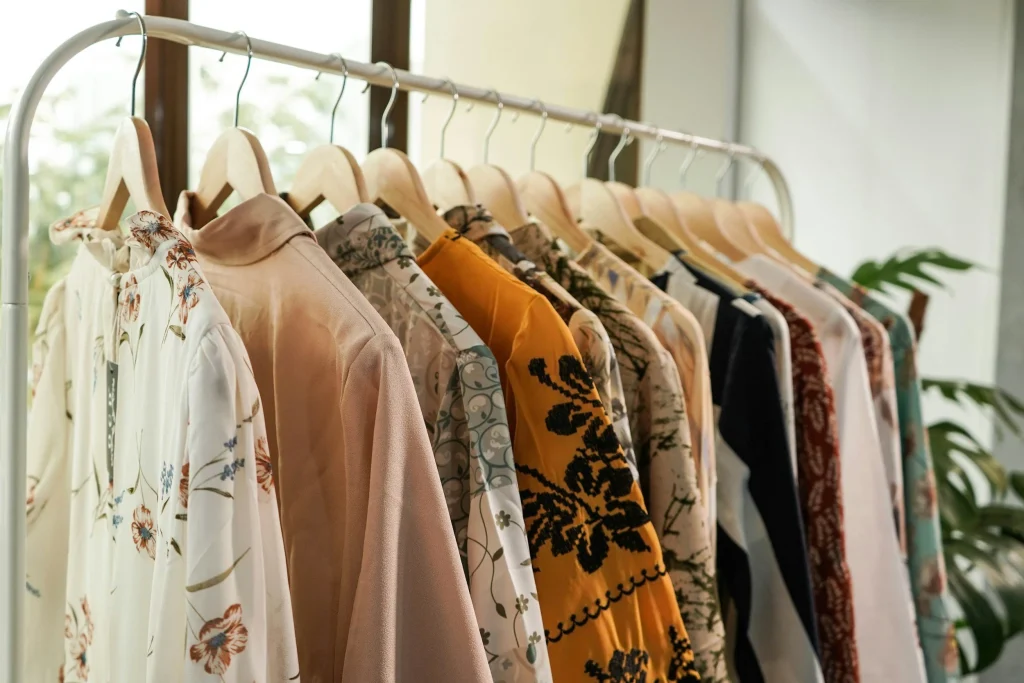
Women’s fashion is one of the best Whatnot categories because it has great buyer demand and repeat purchase potential.
Some good items include brand-name activewear, dresses, handbags, shoes, jackets, denim, boutique pieces, and closet cleanout bundles.
Brands like Lululemon, Free People, Nike, Adidas, Anthropologie, Zara, Coach, and similar names often get buyer attention, depending on condition and price.
Women’s fashion items on Whatnot typically sell for an average of $18 to $30 per piece while premium branded pieces can push the final sale price well over $50 to $100+. Bidding often starts as low as $1 to $5.
For live selling, women’s fashion works best when items are easy to show and describe. Buyers want to know size, fit, measurements, fabric, flaws, and styling ideas.
I would avoid buying random fashion clothing just because it is cheap. Cheap clothing items still are hard to sell on Whatnot if the style is outdated or the brand has weak demand.
Instead, I would source items with clear buyer intent: popular brands, trending styles, strong seasonal demand, and good condition.
6. Beauty Products

Beauty is growing on live shopping apps, and it sells pretty well on Whatnot when handled carefully.
Buyers enjoy seeing bundles, skincare sets, makeup lots, hair tools, fragrance samples, and beauty accessories. Beauty also works well because many items are small and easy to ship.
But this category requires extra care.
I would only sell new, sealed, and clearly labeled beauty products. I would avoid expired items, opened cosmetics, damaged packaging, or beauty products with unclear batch dates.
Most beauty products on Whatnot sell for $5 to $15 during live auctions. The average item price across the platform is around $19.
Popular luxury or full-size beauty products can sell for $30 to $50 or more, while samples and mystery bundles may start at just $1.
Trust is very important in beauty. Buyers are putting these products on their skin, hair, or face. That means your Whatnot listings must be accurate.
As a beauty seller, you can make impressive sales on Whatnot by offering bundles. For example, you can bundle lip products, skincare minis, travel-size beauty, Korean beauty, or hair care tools.
Bundles often raise order value and make the live shows more exciting.
Also Read: How to Make More Money on Whatnot?
7. Toys and Collectibles

Toys and collectibles are a natural fit for Whatnot because they attract passionate buyers.
Strong examples include Funko Pops, action figures, LEGO sets, plush toys, anime figures, Hot Wheels, Disney collectibles, vintage toys, and nostalgic items from the 80s, 90s, and 2000s.
This category works because collectors enjoy the hunt. They like finding rare items, missing pieces, limited editions, and clean boxed toys.
Toy and collectible prices on Whatnot depend on their rarity, condition, and buyer demand during the auction.
Common or loose items often sell for $1 to $10. Rare, highly wanted collectibles and professionally graded figures can sell for $50 to $500 or more.
Condition is a big deal here. A damaged box, missing accessory, or faded figure can significantly decrease the value.
I would always show the item from multiple angles and mention flaws clearly. If an item is sealed, show the seal. If it is loose, show the full item and any missing parts.
Toys and collectibles are also great for themed shows. You can run Disney night, anime night, Funko night, Pokémon collectibles night, or vintage toy night.
Themes make buyers more likely to stay longer.
8. Coins and Money
Coins and money is another top-selling category on Whatnot for sellers who understand the category.
Buyers look for silver coins, graded coins, proof sets, currency notes, collectible coins, and precious metal pieces.
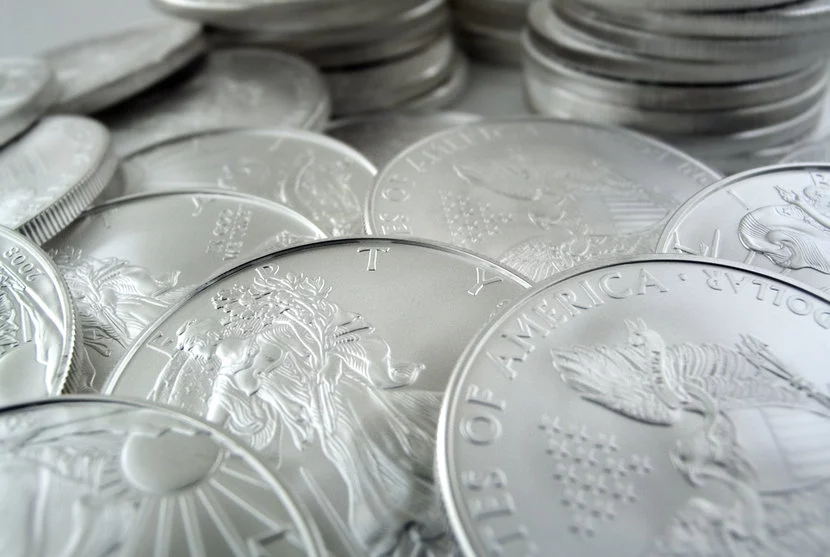
This is not a category where I would pretend to be an expert. Coin buyers care about dates, mint marks, condition, metal content, grading, and authenticity.
If you know coins, Whatnot gives you a great platform to build trust and repeat buyers. If you do not know coins, start learning before you buy anything to resell.
The good thing about coins is that they are small, collectible, and easy to show under a camera. The bad thing is that mistakes can be costly.
Coins and currency on Whatnot can sell at very different prices. Common bullion and world coins often sell for $1 to $50, while rare and professionally certified coins can sell for hundreds or even thousands of dollars.
My advice is simple: sell what you can identify and explain with confidence.
9. Comics and Anime Items
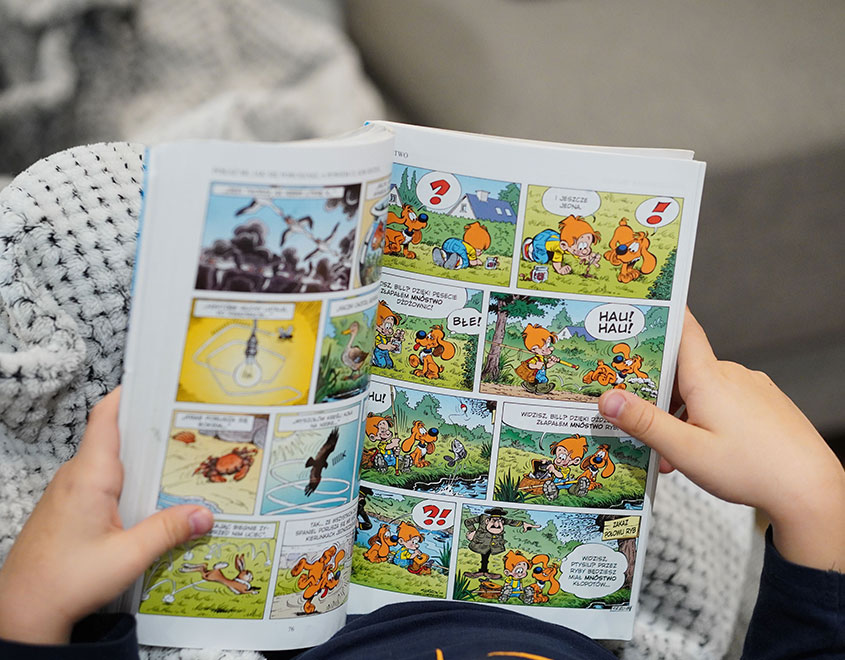
Comics and anime items are great for selling on Whatnot because the buyers are active and loyal on the platform.
You can sell comic books, manga, anime figures, trading cards, posters, stickers, pins, plush, and themed bundles.
Comic and anime collectible prices on Whatnot depend on rarity, condition, and buyer demand. Common comics and ungraded manga often sell for $1 to $5 on Whatnot.
Rare key issues may sell for 25% to 90% or more of their market value, while exclusive covers and graded comics often sell for $40 to $75 or more.
Comic buyers often care about condition, issue number, variant covers, first appearances, and grading potential. Anime buyers often care about character, series, rarity, and display value.
This category works best when you pick a lane.
For example, do not run a random live show with unrelated items if you want loyal followers. Build around Marvel comics, indie comics, manga, anime figures, or a specific fandom.
The more focused your live show will feel, the easier it is for buyers to understand why they should come back.
10. Jewelry and Watches
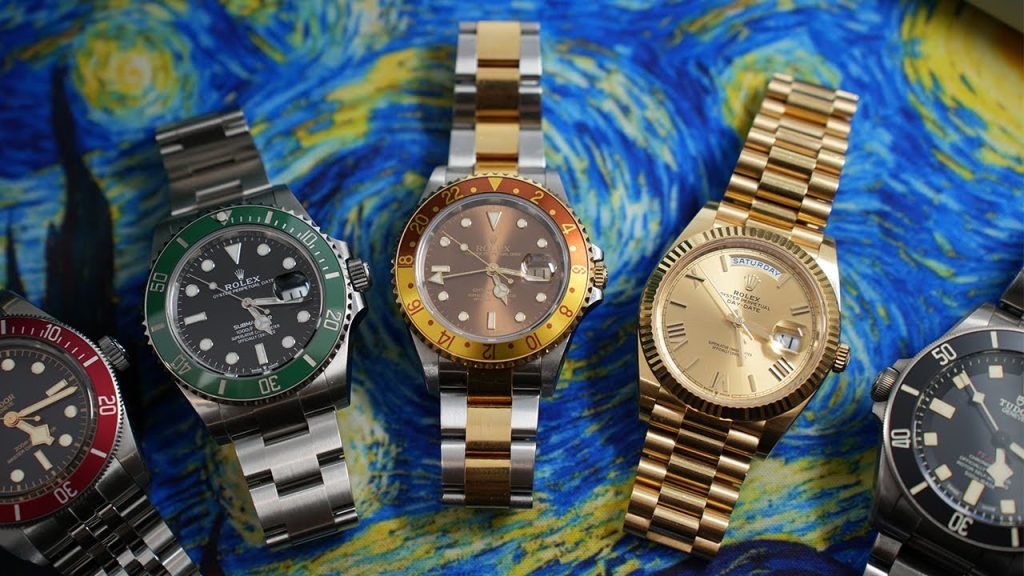
Jewelry and watches are items that can make you the most profit on Whatnot because they are visual and easy to demonstrate.
Top selling items include sterling silver jewelry, vintage jewelry, fashion jewelry lots, branded watches, costume jewelry, and curated accessory bundles.
Jewelry and watches on Whatnot sell at a wide range of prices. Auctions often start at $1 to $5, while costume and vintage jewelry commonly sell for less than $20.
Sterling silver, solid gold, and luxury watches can sell for $50 to several thousand dollars, depending on their brand, condition, and weight.
This category works well when you can explain materials, condition, size, and style clearly.
For higher-value jewelry or watches, buyers may ask more questions. They want to know if the item is authentic, tested, working, or branded.
I would be careful with luxury claims. Do not call something gold, silver, diamond, or designer unless you can back it up.
11. Bags and Accessories
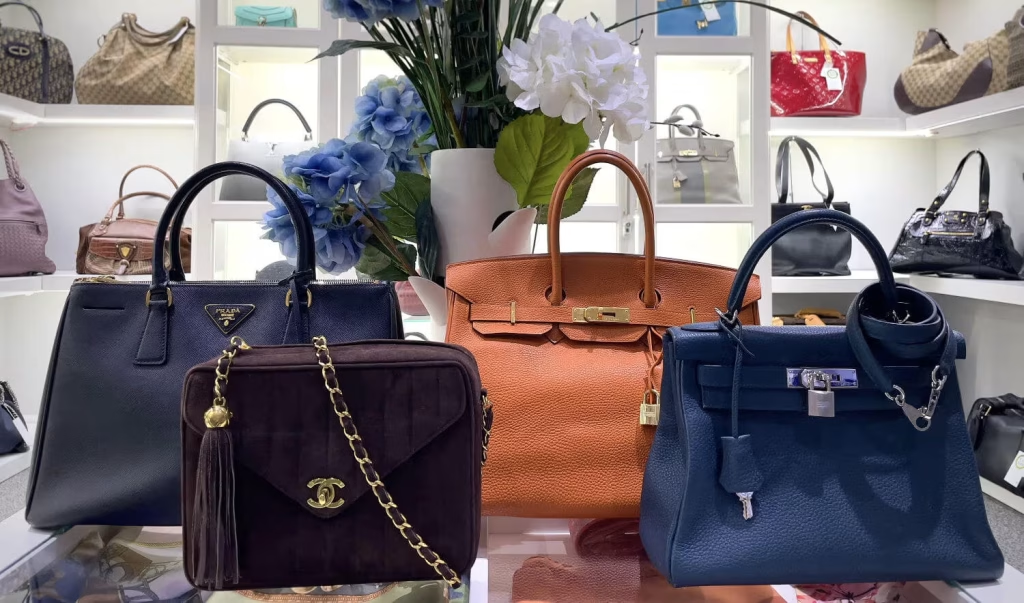
Bags and accessories are strong because they appeal to both collectors and everyday buyers.
You can sell handbags, wallets, belts, hats, scarves, sunglasses, backpacks, and small leather goods.
Popular brands and clean condition matter a lot. Buyers want to see corners, zippers, straps, lining, hardware, stains, and signs of wear.
For designer bags, authenticity is everything. I would never sell luxury bags without being fully confident in the item.
This category is also good for mid-range sellers. You do not need only luxury handbags like Louis Vuitton and Chanel.
Clean Coach, Kate Spade, Michael Kors, Vera Bradley, and trendy everyday bags also attract buyers when priced well.
Handbag prices on Whatnot depend on the brand, condition, and buyer demand during the live auction.
Popular brands such as Coach and Kate Spade often sell for $50 to $150 on Whatnot.
Authenticated pre-owned luxury handbags from brands such as Louis Vuitton and Chanel usually sell for $400 to more than $1,500.
12. Electronics and Small Tech

Electronics can sell well, but I see them as higher-risk than clothing or collectibles.
Good options include headphones, gaming accessories, cameras, keyboards, chargers, small gadgets, and tested tech items.
Headphones and gaming accessories on Whatnot often sell for 40% to 60% of their original retail price.
Basic electronic items usually start at just $1, while new, premium headsets from brands such as Razer and SteelSeries often sell for $40 to $120.
The keyword is tested.
Buyers want to know if the item works. You should show it powered on when possible and explain what is included.
Avoid selling untested electronics unless you clearly state the condition. Even then, expect lower prices because buyers are taking more risk.
Small electronics are better than large electronics because they are easier to ship and less likely to create problems.