Skip to content


Have you ever opened the Depop app to find a buyer demanding his money back for a “flawed” item?
It is a moment that can make any Depop seller’s heart sink, especially when you worked hard to ship that package on time. While making sales is the fun part, dealing with order returns is a reality of running a Depop shop.
The Depop return policy acts as the referee between buyers and sellers. It protects sellers’ hard-earned cash from unfair claims while ensuring buyers get what they paid for.
Knowing the difference between a valid complaint and a simple change of heart is the key to keeping your profits safe.
Being a pro seller means staying one step ahead of drama. When you understand the rules of the Depop marketplace, you can handle any issue with total confidence and a level head.
Let’s understand the Depop return policy in detail and find out how you can protect yourself as a seller on Depop.
Can a Buyer Return an Item on Depop?
Yes, buyers can return items on Depop, which helps build trust and confidence when shopping on the app.
Depop buyers know their purchases are protected if something isn’t right, making Depop a safer marketplace overall.
At the same time, Depop also protects sellers. Returns aren’t automatically granted just because a buyer changes their mind, and sellers aren’t pressured into accepting unnecessary returns.
This balance ensures fairness on both sides, enabling Depop buyers to shop with peace of mind while sellers can list and sell without constant return concerns.
Depop’s approach keeps the marketplace secure, transparent, and seller-friendly—making it a reliable marketplace for pre-loved clothing and fashion items.
Also Read: Are There Scammers on Depop
What is Depop Return Policy?
Depop’s return policy is meant to protect buyers if there’s a real problem with their order.
When a buyer purchases an item using the Depop BUY button, you’re covered by Depop Protection.
This means Depop can step in and help the buyer return the item for a full refund if it isn’t what he ordered.
However, this protection applies only in certain situations where the issue is clear and serious. You may be eligible for a return and refund if you receive:
- Your order was lost during shipping
- The item arrives broken or badly damaged
- The size sent does not match the listing
- The color is clearly different from what was shown
- The item is proven to be fake
- Major flaws or heavy wear were not mentioned
- You receive a completely different item
- Item(s) of a bundle are missing
There are also situations where returns are not approved. Depop Protection does not cover issues like:
- Odors or smells
- Small signs of wear on used or vintage items
- Fabric or material appearing different in real life
- Items that don’t fit or suit personal preference
- Changing your mind after purchase
- Orders completed outside the Depop BUY button
To stay protected, buyers should complete their purchase within the Depop app. Reading the item description and carefully checking product photos can help you avoid return issues later.
How to Avoid Returns on Depop as a Seller?
Provide Standardized Measurements
Sizing is the most common point of friction on Depop because vintage and secondhand clothing often shrinks or follows outdated size charts.
To prevent a buyer from claiming an item is “not as described” due to fit, you must include precise measurements in your product description.
For tops, provide the distance from armpit to armpit and the total length from the shoulder to the hem.
For bottoms, list the flat-lay waist measurement, the rise, and the inseam. By stating these specific numbers, you shift the responsibility to the buyer to check their own measurements before purchasing, which will protect you from forced returns.
Practice Total Flaw Transparency
Depop buyers often expect “like new” quality unless explicitly told otherwise, so any unmentioned defect is an open door for a “Significantly Not as Described” claim.
You should inspect every garment under bright, natural light—paying close attention to high-wear areas like armpits, necklines, and hems.
Disclose even the smallest pinhole or faint mark in the description and dedicate a specific photo to the flaw.
Circling the damage in a photo editor ensures the buyer cannot claim they missed it in the listing.

Prioritize Unfiltered Color Accuracy
Lighting and filters are frequent culprits in return requests regarding color discrepancy. A shirt that looks “true red” in a photo but arrives “neon pink” creates a valid case for a refund.
You should always photograph items in natural daylight to capture the most realistic hue and avoid using any editing presets that alter saturation.
Including a close-up photo of the fabric texture and the care label also helps verify the material and authenticity, further reducing the likelihood of a return dispute.
Establish a Pre-Ship Documentation Trail
If a buyer on Depop claims an item arrived damaged but you know it was sent in perfect condition, you need concrete proof to win a dispute.
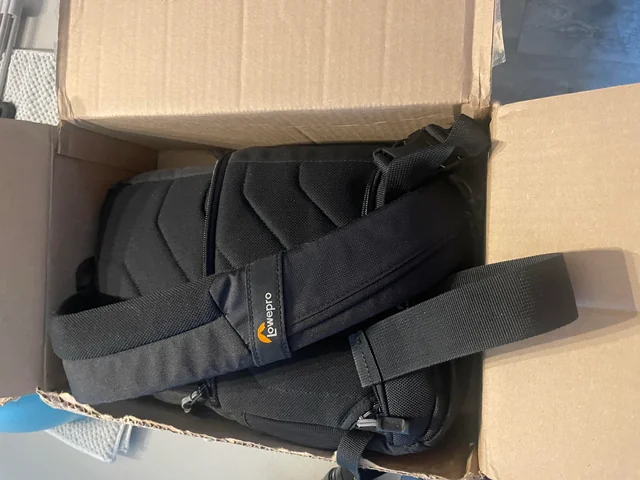
For any item over a certain value, you should film a quick packing video that shows the item’s condition, followed immediately by you sealing it in the mailer.
Before the bag is closed, perform one final inspection.
If you discover a missed loose thread or a fresh mark, it is far safer to message the buyer and offer a discount or cancellation before shipping than to risk a forced return later.
Secure Absolute Shipping Protection
Items that are lost or “unreceived” result in an automatic refund at your expense unless you have a tracking number that confirms delivery.
By using the “Ship with Depop” option, the tracking information is automatically integrated into the transaction, which is your primary defense against “item not received” claims.
Always ship exclusively to the address listed on the Depop receipt; if a buyer DMs you a different address, you should cancel the order and have them repurchase with the correct details to maintain your seller protection.
What to Do If a Buyer Asks for a Return Anyway?
If a buyer wants a return because they “just don’t like it” or “it doesn’t fit” (and your measurements were correct), you can politely decline.
A great way to de-escalate is to offer the buyer the option to Repop, meaning to put it right back up for sale on Depop. Here’s how you can ask the buyer to repop:
“I’m sorry the item didn’t fit as expected! Since I provided accurate measurements in the listing, I don’t offer returns for fit. However, feel free to use my photos to ‘Repop’ the item to make your money back!”
How Long Does a Return Take on Depop?
On Depop, the refund process generally takes 5–10 business days if the seller agrees to process it directly through Depop Payments or PayPal.
This window covers the time needed for the banking institutions to communicate and for the funds to settle back into the original payment method.
However, this timeline assumes a smooth transaction where both parties are cooperative and the return is handled without outside intervention.
If a dispute arises, the process can take much longer, potentially lasting several weeks. This delay is especially common if the transaction was handled via PayPal and the seller fails to respond to the initial claim.
In these instances, the buyer must wait for the resolution platform’s mandatory response windows to expire before the case can be escalated for a manual review.
This administrative back-and-forth adds significant time to the wait, as the platform must verify all evidence from both sides before making a final decision.