Skip to content

How Tariffs Are Reshaping Reselling in 2026 (And Why Secondhand Sellers Win)

If you resell clothing, shoes, or accessories on Poshmark, eBay, Mercari, Depop, or any other marketplace, you’re sitting on a massive advantage right now, and most sellers don’t fully realize it yet.
Tariffs on imported goods have pushed retail prices sharply higher across the board. The Yale University Budget Lab estimated short-term consumer price increases of 65% for clothing and 87% for leather goods, and those numbers are already showing up at checkout. Meanwhile, the items already sitting in your closet, your inventory bins, and your local thrift stores? Tariff-free.
That price gap is driving a historic shift toward secondhand shopping. And if you’re a reseller, the question isn’t whether this helps you, it’s how fast you can scale to meet the demand.
The Numbers Behind the Shift
This isn’t speculation. The data is already in:
- 97% of clothing sold in the U.S. is imported, mostly from China, Vietnam, Bangladesh, and India, according to the American Apparel and Footwear Association. Every one of those imports now carries a tariff surcharge.
- Resale app downloads surged. Sensor Tower reported the first quarterly gain in three years for resale marketplace downloads (eBay, Poshmark, Depop, ThredUp, Mercari, and others) between January and March, with an additional spike the week tariffs were announced.
- A record 58% of shoppers bought secondhand apparel in 2024, according to ThredUp’s annual Resale Report. That number is climbing.
- ThredUp reported 34% revenue growth year over year, with new buyer acquisition up 54%, the most new customers in the company’s history.
- The global secondhand apparel market is expected to reach $367 billion by 2029, growing almost three times faster than the overall apparel market, according to GlobalData.
Why Resellers Have the Advantage
Here’s the core math that makes this moment so powerful for secondhand sellers:
Pre-owned items are not subject to tariffs. As long as the item is already in the U.S., it doesn’t matter where it was originally manufactured. That vintage Nike jacket from Goodwill? Tariff-free. That designer bag sitting in your closet? Tariff-free. Every item in your current inventory just became relatively more valuable compared to its brand-new equivalent sitting on a store shelf at an inflated price.
“If tariffs add 20% to 30% to retail prices, that’s a huge advantage for resale. Pre-owned items aren’t subject to those duties, so demand naturally shifts.”
– Dylan Carden, Research Analyst, William Blair & Company
Kristen Classi-Zummo, an apparel industry analyst at Circana, put it plainly: “I think resale is going to grow in a market that is declining. What I think is going to continue to win in this chaotic environment are channels that bring value.”
The Fast Fashion Collapse Benefits You

There’s a second wave hitting that makes this even better for resellers: the collapse of ultra-cheap fast fashion imports.
The “de minimis” loophole that let companies like Shein and Temu ship low-value packages into the U.S. duty-free has been closed. Chinese imports now face tariffs of 145%. Those $8 dresses and $12 shoes that undercut resellers for years? They’re about to cost a lot more, or disappear entirely.
James Reinhart, co-founder and CEO of ThredUp, said the removal of the de minimis provision directly benefits domestic resale businesses. When the cheapest new option gets more expensive, secondhand becomes the obvious alternative for price-conscious shoppers.
For resellers, this means less competition from disposable fast fashion and more buyers actively searching for quality secondhand items at fair prices.
What Real Sellers Are Seeing
The effects are already playing out in real time across reseller communities:
Sellers working with domestic inventory, sourcing from thrift stores, estate sales, and local pickups, aren’t facing those cost increases at all. Their margins stay intact while retail prices climb around them.
Good News for Canadian Sellers: The Worst Is Over
If you’re a Canadian reseller, you’ve been through a rough year. The 25% IEEPA tariffs imposed in early 2025 made cross-border selling a nightmare, with U.S. buyers suddenly facing steep surcharges on anything shipped from Canada.
But here’s the headline you might have missed: those tariffs are gone.
On February 20, 2026, the U.S. Supreme Court ruled 6-3 in Learning Resources, Inc. v. Trump that the President never had the authority to impose tariffs under IEEPA in the first place. Every IEEPA-based tariff, including the 25% duty on Canadian goods, was struck down. Importers are now claiming refunds on an estimated $166 billion in duties collected during the IEEPA period.
What replaced them is far less scary. The administration pivoted to Section 122 of the Trade Act of 1974, which allows a temporary 15% global tariff. The key word: temporary. Section 122 tariffs expire automatically on July 24, 2026 unless Congress votes to extend them, and there’s currently no extension bill on the floor.
Even better: if you’re selling individual secondhand items to U.S. buyers, the $800 de minimis threshold still covers most shipments. That means a Canadian reseller shipping a $60 vintage jacket to a buyer in Ohio pays zero tariff on that package. The Section 122 duties primarily hit commercial importers moving large volumes, not individual resellers on Poshmark and eBay.
The bottom line for Canadian sellers: your window is wide open right now. The punishing IEEPA tariffs are dead, the temporary replacements are lighter and expiring soon, and your inventory of pre-owned goods is tariff-exempt by nature. U.S. buyers are actively seeking affordable alternatives to tariff-inflated retail prices, and they don’t care which side of the border the package ships from, as long as the price is right.
How to Capitalize Right Now
If you’re already reselling, here’s how to make the most of this moment:
1. Source Aggressively While Thrift Prices Are Still Low
Thrift store prices haven’t caught up to the retail shift yet. The supply of secondhand goods in the U.S. is massive, years of overconsumption means closets, warehouses, and donation centers are packed with inventory. As Emily Gittins, CEO of Archive, put it: “Tapping into all of the inventory that is already sitting in the U.S., either in people’s closets or in warehouses not being used” is the play right now.
Buy now. Thrift store pricing will eventually adjust upward as demand increases.
2. List on Multiple Marketplaces
More buyers are entering the secondhand market across every platform, not just one. That means more buyers on Poshmark, eBay, Mercari, Depop, Etsy, and Whatnot simultaneously.
Crosslisting your inventory across 7 marketplaces means you’re visible everywhere these new buyers are looking. Tools like Sidekick Tools let you list once and push to every platform, which matters a lot more when demand is surging across all of them at once.
3. Raise Your Prices (Strategically)
When new retail prices go up 20-65%, your secondhand prices can go up too, and still look like a bargain by comparison. A used jacket priced at $40 looks like a steal when the new version just jumped from $80 to $120.
Don’t undervalue your inventory in this market. Check comparable retail prices and adjust accordingly. You can charge more while still being the better deal.
4. Focus on Quality and Brands That Hold Value
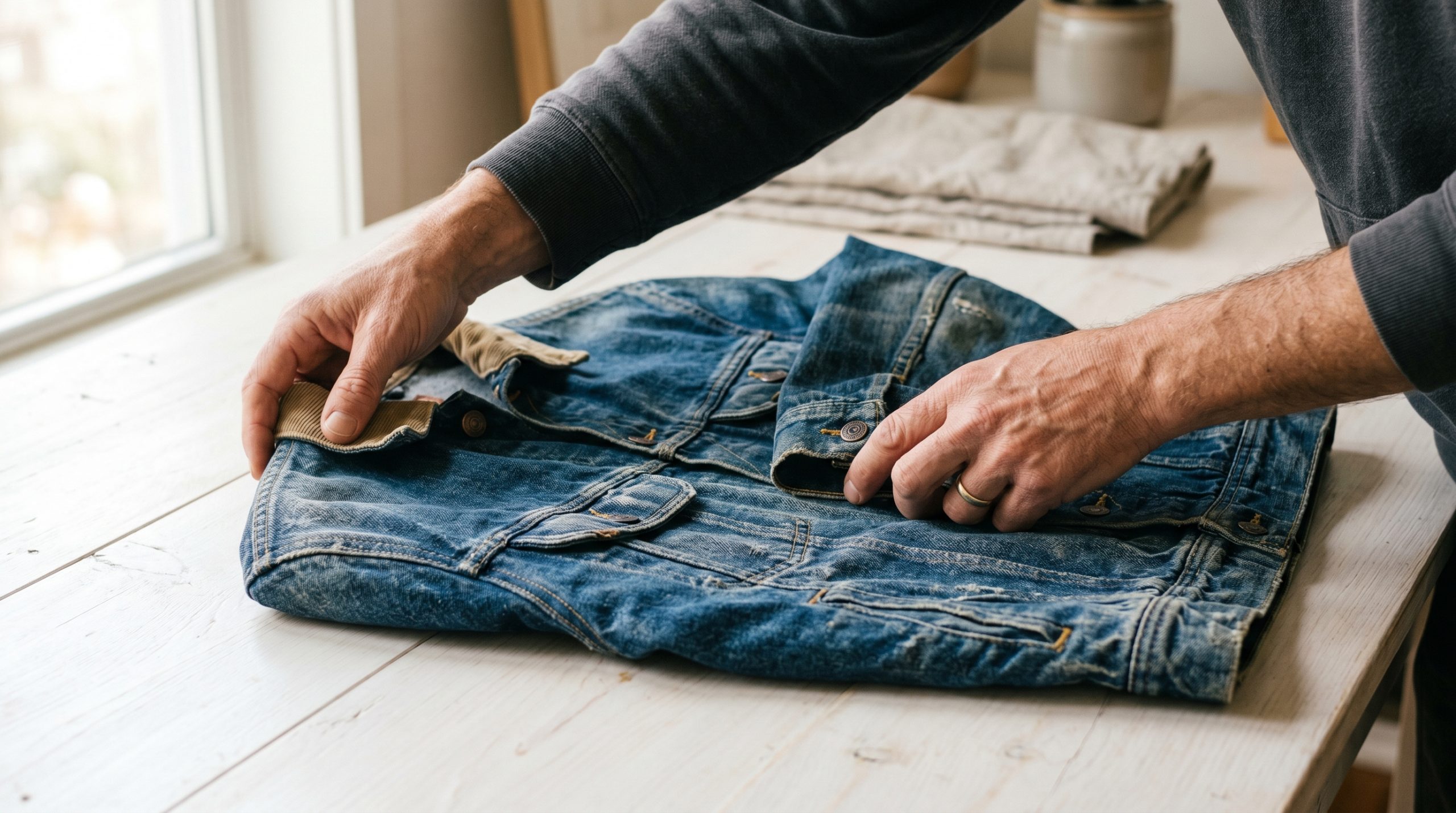
With fast fashion getting more expensive, buyers are shifting toward quality items that last, exactly what the secondhand market does best. Durable brands, classic styles, and well-made basics are going to see the biggest demand increase.
As Jennifer Le Zotte, a history professor specializing in material culture, explained: tariffs might push people toward “slow fashion, where people decide to buy more durable, long-lasting clothing.” That’s good news for resellers who specialize in quality over quantity.
5. Use Automation to Scale
When demand surges, the sellers who win are the ones who can keep up. Manually listing, sharing, and managing inventory across multiple platforms doesn’t scale. This is where automation becomes critical, not a nice-to-have.
Crosslisting tools, automated sharing, AI-generated descriptions, and bulk listing features let you move faster without burning out. The resellers who can list 50 items while someone else lists 5 are the ones who capture the wave.
The Bigger Picture: Resale Is Becoming Mainstream Retail
This tariff moment is accelerating a shift that was already happening. Forbes reported that heading into 2026, “resale is becoming basic to retail”, not a niche side hustle, but a core channel that brands are actively investing in. ThredUp’s U.S. online resale market is projected to reach $40 billion by 2029.
Brands like Dr. Martens, The North Face, and Lululemon are launching their own resale programs. Off-price retailers like TJ Maxx are expected to weather tariffs better than traditional stores. The entire retail ecosystem is tilting toward secondhand, and individual resellers are at the center of it.
“Whenever there is an economic downturn, a recession or anything like that, there are more people that will start shopping resale that may not have shopped resale before.”
– Adele Meyer, Executive Director, NARTS (The Association of Resale Professionals)
The Window Is Open, But It Won’t Last Forever
Here’s the thing about market shifts: the sellers who move first capture the most. Right now, new buyers are flooding into resale platforms. Retail prices are climbing. Your inventory is tariff-free. The math has never been more in your favor.
But thrift store prices will eventually adjust. Competition among resellers will increase. And if tariff policies shift again, the window could narrow.
The smart play is to scale now: source inventory while it’s cheap, list across every marketplace, price confidently, and use automation to move faster than the competition. The resellers who act on this moment are the ones who’ll look back on 2026 as the year their business took off.
Ready to list across 7 marketplaces at once? Sidekick Tools lets you crosslist, automate, and scale your reselling business from one dashboard. Start your free 7-day trial and see why thousands of resellers are selling more in less time.